
Orkney green energy paradox: turbines, tariffs, and pushbikes
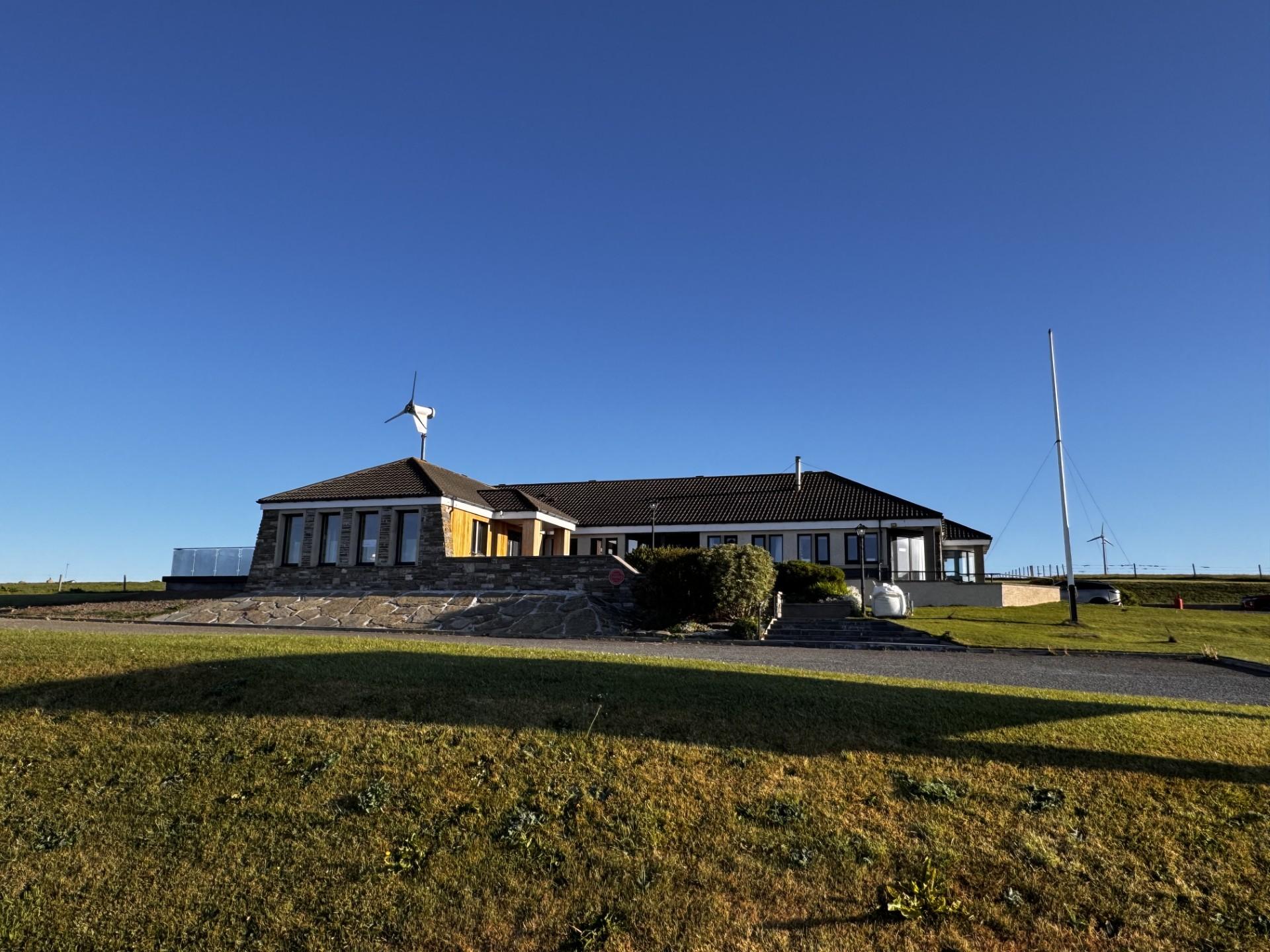
Orkney is famous worldwide as a green energy pioneer, splashed across environmental magazines as a beacon of the future. The travel brochures love to brag that our wind and tidal turbines generate more than 100% of the islands' electricity needs, painting a picture of an untamed utopia running entirely on sea breeze. On paper, it looks like a self-sustaining paradise where nature and technology finally live in harmony. But if you speak to any local living here, you will quickly find out that this green revolution looks entirely different when you are staring down a brutal heating bill from a kitchen table in Kirkwall, Stromness, or Eday, listening to the gale rattle the glass. During community engagement events, we are constantly told about the long-term career opportunities this booming industry will bring to our islands. Yet year after year, I am left genuinely puzzled trying to spot these actual, lasting jobs for local young folk once the brief one or two year construction phase wraps up. I genuinely wish it were not that way, but the reality is that almost all that capital simply teleports somewhere else that is distinctly not here.
The engineer's view: net zero and the true cost
Renewables and net zero are certainly hot topics in the current age, but as an engineer and a real-terms minded person, I struggle to see this revolution past the basic physical facts. I have absolute disdain for terms like "sustainable island tours" or "zero emissions" statements because not a single manufactured thing on Earth is truly that. Do turbines not require hundreds of tonnes of concrete, oil-filled gearboxes, and hundreds of miles of plastic-coated copper just to transmit this power? It is a hard truth to ignore.
Have a look at any community page in rural Scotland and see if these massive windfarms and data centres are actually welcome. They get pushed through rapidly in the name of inward investment, but what is the true cost? We may never know. Orkney has been a pioneer in the field for decades, and many technologies certainly have legs, but only when they are truly efficient and non-impactful to nature, which very few are. You only have to look at experimental marine white elephants like the old Pelamis 2 wave machine left languishing at Lyness, a massive 1,300-tonne dead lump of steel that nobody quite knew how to scrap or what to do with once the funding dried up.
And as for electric vehicles, I refuse outright to buy an EV outwith a town car because the premise behind them is completely bonkers to me.
The grid irony: producing the power, paying the price
Here is the first major misconception. People assume that because we produce massive amounts of clean energy, our bills are practically non-existent. The reality is completely upside down. Because of how the national grid is structured by mainland decision-makers, Orkney faces some of the highest electricity standing charges and bills in the UK, a burden shared with Shetland.
It feels like every time you turn around, some corporate entity acts like Moneybags from Spyro the Dragon, standing on a bridge they didn't build and demanding a toll just because you happen to live underneath their cables. We pump massive amounts of clean power back into the national system, yet our communities suffer from severe fuel poverty rates. The green energy boom benefits balance sheets down south while locals get squeezed just to keep the heating on during a bitter northern winter.
The infrastructure myth: no cycle lanes, narrow roads
This same gap between glossy theory and island reality applies to how people get around. Green travel advocates sometimes suggest renting a bicycle to see the historic sites. What they fail to mention is the complete lack of cycling infrastructure and the sheer potential misery of the elements.
We used to take bikes out as kids in all kinds of crazy weather. Looking back, when you hit a gap in the dry stone walls and the wind angle was just right, you would end up in the grass looking up at the road wondering what happened. Besides this, every way to get here is powered by fossil fuel, with cruise liners being the biggest user. This is not a rant, but a grounding in reality.
The Atlantic gale always wins (and why pushbikes make you look silly)
Technically, the brochures are right about the islands being relatively flat. What they conveniently omit is the wind and how constant it is. Orkney is a completely exposed shelf in the middle of the North Atlantic. There are no forests or mountain ranges to break the breeze. If the forecast says a moderate 25 mph wind, that wind is hitting you sideways with full force the second you leave Kirkwall. On a bike, this leads to the great cycling delusion. You will spend four agonizing hours hunched over the handlebars, pedalling downhill with every ounce of your strength just to stay moving at 2 mph when the weather is showing off, right before the horizontal sea-soaked rain starts. In this northern climate, it is remarkably easy to look entirely ridiculous on a bike, wrapped in fluorescent yellow waterproofs and moving slower than a sheep while locals pass you in tractors.
Blind bends and the 60mph bottleneck
Our roads are narrow, winding country routes bordered by stone walls and deep ditches. Almost all outer town roads are governed by a 60mph national speed limit, and there are zero dedicated cycle lanes connecting Kirkwall to sites like Skara Brae or the Ring of Brodgar. You share the tarmac directly with heavy farm machinery, local trade vans, and massive tour buses. When a local driver rounds a blind bend at 60mph only to find a tourist wobbling along at 6mph, it creates a major safety hazard. Blocking a fast main road with no safe way to pass causes immense frustration for people trying to go about their daily work.
The cycling reality check
If you are set on bringing a pushbike to Orkney, understand the cold reality before you pack your panniers. The local buses no longer carry bicycles, and nor does any other public transport or transfer service operating here that I know of. If you bring a bike, prepare to rely on your own legs at all times, in all weather conditions, no matter the hour. That includes pedalling off the Aberdeen ferry into a driving rainstorm at midnight when you land in Kirkwall. There is no backup option waiting at the pier to take your frame out of the storm.
A better way to travel
You do not need to subject yourself to the misery and danger of cycling our windy main roads to respect the local environment. Keep things efficient and localized instead of bringing giant diesel-chugging motorhomes that block single-track roads. Skip booking platforms and support direct local businesses.
If you want to get around reliably without adding to the issue, I am now the Managing Director for Orkney Transfers, where I have built a dedicated team to handle all your A-to-B transport needs with a to-the-minute pickup time guarantee we are exceptionally proud of. Meanwhile, if you want to step past the surface level and explore the deeper archaeology, I specialise in historical deep dives here at Historic Orkney. Leave the pushbikes for quiet tracks, understand the real mechanics of the islands, and let the professionals handle the wind.
In the aim of brightening your day, and mine.